The Angry Wolf Mascot in Esports: Why This Animal Archetype Defines Modern Competitive Identity
Walk into any major esports arena or open a livestream from a top tournament, and you will see them: logos, banners, and animated emotes featuring snarling wolves, bared fangs, and eyes glowing with intensity. The angry wolf mascot has become one of the most powerful visual symbols in competitive gaming. It is not a passing fad. This archetype speaks directly to the psychology of competition, the culture of esports fandom, and the business needs of organizations that want to stand out in a crowded digital ecosystem. Understanding why the angry wolf mascot resonates so deeply, and how it fits into the broader landscape of esports branding, offers practical insights for team owners, marketers, designers, and anyone building a community around competitive play.
Why the Wolf? The Evolution of Esports Mascot Design
Esports mascots did not always lean toward aggression. Early competitive gaming brands often borrowed from traditional sports: stylized human figures, geometric shapes, or abstract emblems. As the industry matured, teams realized they needed symbols that conveyed speed, ferocity, and strategic intelligence. The wolf emerged as a natural choice. Wolves are pack animals, which mirrors the team-based structure of most esports titles. They are disciplined hunters, which aligns with the precision and practice required at the professional level. And they carry an unmistakable edge of danger that appeals to a young, digitally native audience that values authenticity and intensity.
The angry wolf mascot specifically amplifies these traits. A calm or neutral wolf might suggest passivity, but a snarling, teeth-bared wolf signals readiness, dominance, and refusal to back down. This emotional tone fits the high-stakes environment of esports tournaments, where split-second decisions and mental resilience determine outcomes. For fans, the angry wolf becomes a banner they rally behind. For players, it is a reminder of the mindset required to compete. The shift from generic logos to emotionally charged animal mascots reflects a broader trend in branding: audiences want symbols that feel alive, not just abstract marks.
The Psychology Behind the Snarl: What an Angry Wolf Communicates
When a viewer sees an angry wolf mascot, they register several layers of meaning almost instantly. First, there is the element of threat. The wolf is not passive; it is ready to engage. In esports, where trash talk, mind games, and psychological pressure are part of the spectacle, this aggressive stance feels honest. Second, the wolf conveys loyalty and protection. A wolf pack defends its own, and fans often describe their relationship with a team as tribal. The angry wolf becomes a guardian of that identity. Third, the wolf embodies endurance. Wolves are known for traveling long distances, surviving harsh conditions, and never giving up on a hunt. For an esports organization that wants to be seen as resilient and long-term focused, this symbolism is invaluable.
These psychological cues matter more than ever in an attention economy where fans are bombarded with visual noise. A well-designed angry wolf mascot cuts through that noise because it triggers an emotional response before the rational brain has time to analyze it. Marketers and brand strategists working with esports teams should consider this: the mascot is not just a logo, it is a psychological anchor. Every time a fan sees the angry wolf, they are reminded of the team's values, the intensity of the matches, and their own connection to the community. That repeated emotional reinforcement builds loyalty over time.
Practical Implications for Esports Organizations and Creators
For a team considering a rebrand or a new organization entering the scene, adopting an angry wolf mascot is not just about aesthetics. It has concrete implications for merchandise, content creation, and fan engagement. A wolf mascot with a strong visual identity translates easily into emotes, stickers, apparel, and animated overlays. It can be rendered in different styles for different contexts: a realistic snarling wolf for official merchandise, a cartoonish angry wolf for social media reactions, and a minimalist wolf head for profile avatars. This flexibility is essential in esports, where fans interact with brands across Twitch, Discord, YouTube, Twitter, and physical events.
Consider a practical example. A mid-tier esports team competing in a title like Valorant or League of Legends decides to rebrand around an angry wolf mascot. They commission a versatile design system that includes a primary crest, a full-body character, and a simplified icon. Within weeks, their community begins creating fan art, editing the wolf into memes, and using custom wolf emotes during streams. The team capitalizes on this energy by running a design contest for alternate colorways or seasonal variants. The wolf becomes a living part of the brand, not a static image. This kind of organic engagement is difficult to achieve with a generic geometric logo, but an animal mascot with a clear emotional tone invites participation.
For content creators and streamers who collaborate with or are sponsored by such teams, the angry wolf offers a recognizable shorthand. A streamer wearing a hoodie with the wolf logo immediately signals their affiliation and values to viewers. The wolf becomes a badge of credibility. In a landscape where authenticity is currency, that matters.
Designing an Angry Wolf Mascot That Works Across Platforms
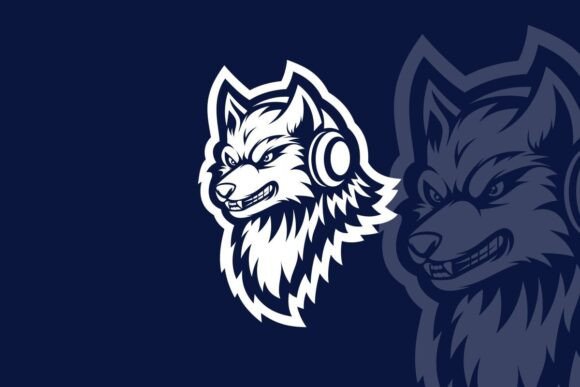
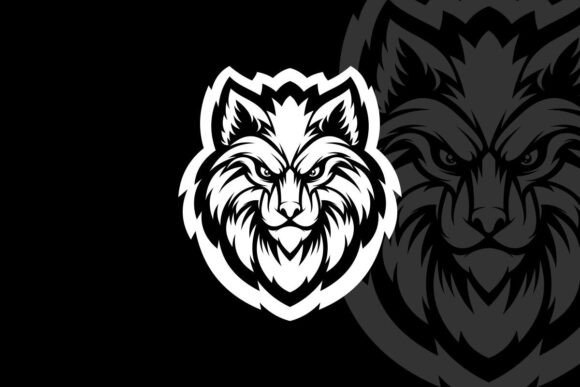
Not all angry wolf mascots are created equal. The most successful designs share several characteristics. First, the silhouette must be recognizable at small sizes. A wolf head with distinct ears, a defined snout, and visible teeth reads clearly even as a tiny icon in a chat window or on a mobile screen. Second, the expression must balance aggression with approachability. A wolf that looks purely vicious may alienate casual fans or sponsors who prefer a more inclusive image. The best angry wolves have a hint of intelligence in their eyes, suggesting that the aggression is calculated, not mindless. Third, the design should allow for animation. In esports, static logos are less common than animated intros, victory screens, and loading sequences. A wolf that can snarl, howl, or tense its muscles in animation adds production value to broadcasts and content.
Color palette also plays a role. Dark grays, blacks, and deep blues emphasize seriousness and stealth. Accents of red or orange draw attention to the eyes or fangs and heighten the sense of danger. Some teams introduce a contrasting secondary color for background elements or shields, which helps the mascot pop against different backgrounds. It is worth investing in professional design consultation here. A poorly executed wolf can look cartoonish or generic, undermining the very emotional impact the team wants to achieve.
How the Angry Wolf Fits into Broader Esports and Lifestyle Trends
The popularity of the angry wolf mascot is not an isolated phenomenon. It parallels broader shifts in consumer preferences. Audiences today are drawn to brands that take a clear stance, that feel confident and unapologetic. The gray area of bland corporate neutrality is increasingly rejected by younger demographics. Esports fans, in particular, value differentiation and edge. They want their team to look like it belongs in the arena, not in a boardroom. The angry wolf delivers that edge without needing words.
Additionally, the rise of streetwear and gaming-adjacent fashion has fueled demand for logos that look good on hoodies, caps, and jackets. An angry wolf mascot fits naturally into this aesthetic. It borrows visual language from street art, tattoo culture, and extreme sports, all of which carry connotations of rebellion and authenticity. When an esports team licenses its brand for apparel collaborations, a wolf mascot has more commercial flexibility than a text-based logo or an abstract shape. It can be embroidered, screen-printed, embossed, or turned into a patch. It can be rendered in monochrome for a minimalist look or in full color for a bold statement.
For entrepreneurs and business owners outside of esports, there is a lesson here. The angry wolf archetype demonstrates how a single visual symbol can carry emotional weight, community identity, and commercial versatility. Any brand targeting a competitive or high-performance audience can learn from the way esports teams use animal mascots to communicate values instantly. Whether you are launching a fitness brand, a productivity app, or a consulting firm, the principles of mascot design—clear silhouette, strong emotional tone, adaptability—apply directly.
Navigating Potential Pitfalls and Maintaining Authenticity
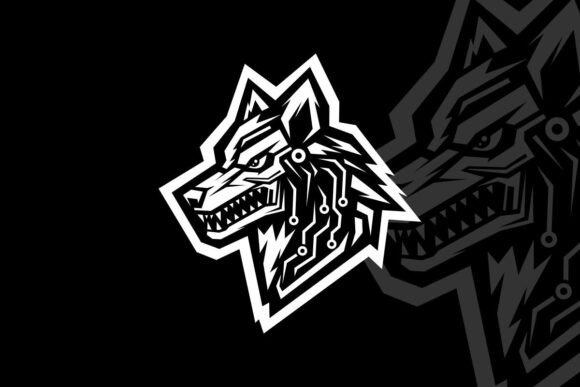
While the angry wolf mascot offers many advantages, it is not without risks. Overuse can lead to saturation. As more teams adopt wolf imagery, differentiation becomes harder. The solution lies in distinct execution. A team that pairs its wolf with a unique color scheme, a specific art style, or a narrative backstory will stand out. For instance, a wolf with cybernetic enhancements ties into futuristic themes. A wolf with tribal patterns connects to heritage or regional identity. The core concept remains the same, but the execution creates uniqueness.
Another risk is misalignment. If a team adopts an angry wolf mascot but its actual brand behavior is passive, inconsistent, or disconnected from the competitive scene, fans will sense the inauthenticity. The mascot must be backed by real performance and genuine community engagement. A snarling wolf logo on a team that consistently underperforms or ignores its fanbase will feel hollow. The symbol needs to be earned. For marketers and team managers, this means investing in the culture and results that make the wolf believable. The mascot is a promise, and promises must be kept.
Looking Ahead: The Future of Animal Mascots in Esports
The angry wolf mascot is likely to remain a staple of esports branding for the foreseeable future, but the trend will evolve. We are already seeing variations appear: wolves merged with mythological elements, wolves in futuristic armor, wolves rendered in glitch art styles. As augmented reality and virtual worlds become more integrated into esports viewing experiences, mascots will need to function in 3D environments. An angry wolf that can appear alongside a team during a virtual trophy ceremony, or stalk across a digital arena before a match, will become a new standard. The underlying principles of emotional clarity and adaptability will persist, but the technical execution will advance.
For creators, designers, and brand strategists, the opportunity lies in pushing the angry wolf concept forward while staying grounded in what makes it work. Respect the psychology. Honor the audience's intelligence. Design for flexibility and emotional resonance. And remember that the best mascots are not just seen; they are felt. The angry wolf works because it makes people feel something—fear, excitement, loyalty, pride. That emotional connection is the foundation of any enduring brand, in esports or beyond.
In a world where every team is fighting for attention, the angry wolf mascot provides a direct, honest, and powerful way to declare who you are and what you stand for. It is not the only path, but for those who choose it, the path is clear: show your teeth, run with the pack, and never stop competing.