What Are Confetti Digital Paper Backgrounds and How to Use Them Creatively
If you have ever designed a party invitation, built a social media graphic, or created a digital scrapbook page, you know how much a background can shape the mood of your project. One of the most cheerful and versatile design resources available today is the confetti digital paper background. At first glance, these patterns might look like simple festive speckles, but they offer far more depth, flexibility, and creative potential than meets the eye.
This article explores everything you need to know about confetti digital paper backgrounds: what they are, why they matter in modern design, and how you can use them effectively in your own work. Whether you are a complete beginner or an experienced designer looking for fresh inspiration, you will find practical insights and examples to help you make the most of these celebratory patterns.
Understanding Digital Paper Backgrounds
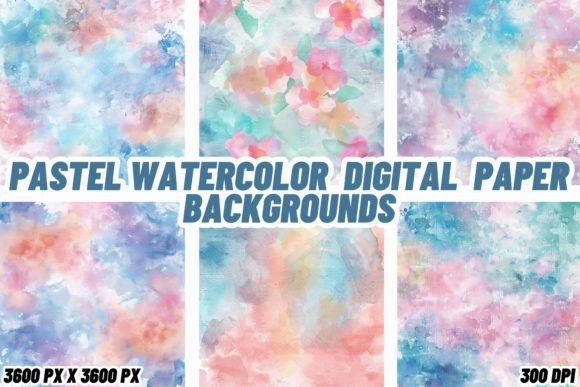
Before diving into the confetti style, it helps to understand what digital paper backgrounds are in general. Digital paper backgrounds are high-resolution image files that mimic the look and texture of physical scrapbooking papers. They come in countless patterns, colors, and themes, and they are used across digital and print design projects. Unlike traditional paper, digital versions can be resized, rotated, layered, and combined without any waste or physical storage.
The concept originated from the scrapbooking community, where crafters wanted to replicate the look of patterned papers without the cost and clutter. As digital design tools became more accessible, these backgrounds expanded far beyond scrapbooking into graphic design, marketing, event planning, and even website development.
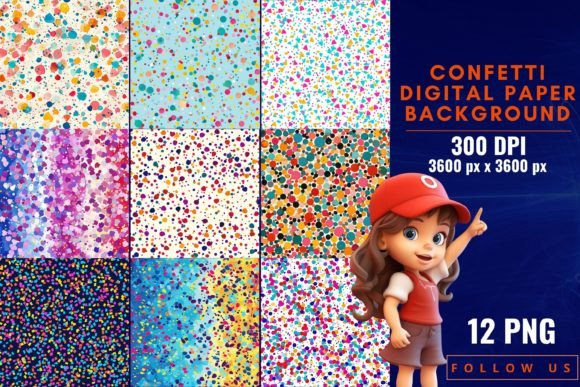
Confetti digital paper backgrounds are a specific subset that features small, scattered shapes—circles, stars, squares, hearts, and other festive motifs—arranged to look like celebratory confetti. They can be colorful and chaotic or subtle and elegant, depending on the color palette and scale of the elements.
The Unique Appeal of Confetti Patterns
What makes confetti patterns so special? At their core, confetti backgrounds evoke celebration, joy, and spontaneity. They instantly communicate that something fun is happening. But beyond that emotional trigger, confetti digital papers offer several practical advantages in design:
- Versatility of emotion: A pastel confetti pattern feels playful and gentle, perfect for a baby shower. Bright, multicolored confetti screams birthday party. Metallic or gold confetti adds a touch of luxury and is ideal for New Year’s Eve invitations or award graphics.
- Visual texture without distraction: Because confetti is inherently small and scattered, it often works as a background that adds interest without overwhelming the foreground text or images. This balance is difficult to achieve with larger, more uniform patterns.
- Layering potential: Confetti papers can be used as base layers behind other elements or as overlay textures. You can even stack multiple confetti patterns with different opacities to create depth.
- Scalability: High-quality digital confetti backgrounds are seamless (tileable), meaning you can stretch them across a wide banner or shrink them to fit a square social media post without losing quality or breaking the pattern.
Practical Applications in Modern Life
Confetti digital paper backgrounds are far more than just decoration. They have become a staple in many areas of creative work, business, education, and daily life. Below are some of the most common and effective uses.
Event Invitations and Announcements
Perhaps the most obvious application is for party invitations, save-the-dates, and celebratory announcements. A confetti background instantly sets the tone for birthdays, graduations, engagement parties, and holiday gatherings. Designers often pair a confetti paper with a clean sans-serif font and a central focal image, letting the background do the heavy lifting for the mood.
Social Media Graphics
In the world of social media, grabbing attention in a split second is crucial. Confetti backgrounds work exceptionally well for Instagram stories, Pinterest pins, and Facebook cover photos because they are vibrant and energetic. You can use them to announce a sale, share a milestone, or simply add life to a quote graphic. Many content creators keep a library of confetti digital papers to maintain a consistent, celebratory brand voice.
Digital Scrapbooking
Digital scrapbooking has evolved into a rich hobby, and confetti papers are among the most requested supplies. They add movement and festivity to memory-keeping layouts. For example, a page documenting a child’s first birthday might use a soft confetti background as the canvas, with layered photos, journaling cards, and embellishments placed on top. The confetti pattern ties the whole page together without competing with the stories being told.
Website and Blog Design
Some websites use confetti backgrounds sparingly to highlight specific sections—such as a “New Here?” welcome area or a “Free Resources” call-to-action. Because confetti can be overwhelming if used across an entire site, it is best reserved for hero sections, headers, or promotional banners. A subtle confetti background with low opacity can add a playful touch without harming readability.
Printables and DIY Projects
Confetti digital papers are also perfect for printable products like party banners, cupcake toppers, gift tags, and greeting cards. Many smaller business owners and home crafters rely on digital papers to produce custom stationery. Because the files are high resolution, they print cleanly at home or through a professional printer.
Educational and Classroom Materials
Teachers and educators have discovered the value of festive backgrounds for worksheets, classroom newsletters, and event flyers. A confetti background can turn a simple spelling list into a more engaging handout for a celebration day. Just be sure the pattern remains light enough so that the text remains readable.
How to Choose the Right Confetti Digital Paper
Not all confetti digital papers are created equal. When selecting a background for your project, consider these factors to ensure the best results.
- Resolution and size: Look for files that are at least 300 dpi (dots per inch) for print, and 72 dpi for digital use. Common sizes like 12×12 inches or A4 are standard, but many designers also provide seamless tiles.
- Color palette: Decide whether you need a monochromatic look (e.g., all gold confetti on a white background) or a multicolor burst. The colors should complement the other elements in your design.
- Pattern density: Some confetti papers are densely packed; others have scattered, sparse confetti. Dense patterns work better as a background to be used behind large text or as a full bleed, while sparse patterns are easier to read over.
- Theme and shape: Confetti can be circles only, or include stars, hearts, triangles, and custom shapes. Pick shapes that align with the event—hearts for Valentine’s Day, stars for whimsical themes, circles for general celebration.
- File format: Most digital papers come as JPEG or PNG files. PNG files with transparent backgrounds are especially valuable if you want to layer confetti elements over another background.
Tips for Using Confetti Backgrounds Effectively
Even a beautiful confetti paper can fail if not used thoughtfully. Here are some practical guidelines to keep your designs polished and professional.
- Watch the contrast: If your confetti background is bright and busy, pair it with dark, bold text or place your text on a semi-transparent overlay. Never sacrifice readability for aesthetics.
- Use confetti as an accent: Instead of covering the entire canvas with confetti, try using it only in a section—like a bottom border, a top strip, or behind a specific element. This approach can be more sophisticated.
- Combine with solid colors: A confetti digital paper often works beautifully when paired with a solid color block. For example, a white area on the left for text and a confetti area on the right for visual interest.
- Scale carefully: If the confetti elements are too large, they may look like big polka dots instead of confetti. Make sure the scale matches the intended use—small confetti for full backgrounds, larger confetti for focal accents.
- Consider the medium: On screens, bright confetti patterns can cause eye strain if overused. In print, check that the colors reproduce accurately. Do a test print before committing to a large run.
Common Misunderstandings About Confetti Digital Papers
Despite their popularity, there are a few misconceptions that can limit how people use these backgrounds. Let’s clear them up.
Misunderstanding 1: Confetti backgrounds are only for children’s events. While they are certainly popular for kids’ parties, confetti patterns can be elegant and sophisticated when designed with a restrained palette—think monochrome gold on white, or soft blush and mauve. Many wedding designers use confetti patterns for reception menus and signage.
Misunderstanding 2: They are only for digital use. Confetti digital papers are designed to be printed. They are widely used in physical scrapbooking, craft projects, and small business stationery. The “digital” in the name simply refers to the format, not the intended use.
Misunderstanding 3: Any colorful dot pattern is confetti. True confetti has a sense of randomness and motion, often with varied shapes and sizes. A simple polka dot pattern is different—it is uniform and structured. Confetti should feel more organic and scatter-like, even if it repeats as a seamless tile.
Misunderstanding 4: You need advanced design skills to use them. In reality, using digital paper backgrounds is as simple as dragging and dropping an image into your design software (Canva, PowerPoint, Photoshop, or even Word). Many templates already incorporate them, so beginners can start immediately.
Building a Broader Understanding
Confetti digital paper backgrounds are more than just a fleeting trend. They are a testament to how digital resources have democratized design. Anyone with a computer can now access the same high-quality backgrounds that professional designers once had to create from scratch. This accessibility has fueled a thriving community of independent designers who sell their patterns on marketplaces, as well as a culture of sharing freebies among hobbyists.
As you explore these backgrounds, you will also develop a sharper eye for color theory, balance, and visual hierarchy. Creating a harmonious layout with a confetti pattern teaches you to respect negative space and to let the background serve the message—not overpower it. These skills transfer to any design project, whether you are building a website, designing a flyer, or crafting a birthday card.
Furthermore, confetti digital papers are a wonderful entry point into the world of digital scrapbooking and paper crafting for those who want to preserve memories without the mess of glue and scissors. The ability to undo, resize, and experiment freely lowers the barrier to creative expression.
Final Thoughts
Confetti digital paper backgrounds are a small but mighty resource in the designer’s toolkit. They bring immediate joy, color, and movement to any project, and their applications range from the purely fun to the elegantly professional. By understanding what makes a good confetti background, how to choose one for your needs, and how to use it thoughtfully, you can elevate your designs and communicate celebration in the most visual way.
Whether you are planning a party, building a brand, or simply telling a story through images, consider adding a confetti digital paper background to your next creation. Sometimes a little bit of sparkle is exactly what a design needs to feel complete.